

Understanding Vanuatu Learning: Educational Excellence in the Pacific
Vanuatu learning is a rich tapestry woven from the islands’ cultural heritage, local traditions, and modern educational practices. The unique educational environment reflects not just the geographical context of Vanuatu but also its commitment to holistic education. For those interested in facilitating better educational outcomes in Vanuatu, there are numerous vanuatu learning vanuatu education and development resources available that provide support to both educators and learners.
The landscape of education in Vanuatu is shaped by a variety of factors, including the country’s complex history, cultural diversity, and the influence of globalization. With around 80 different languages spoken across 83 islands, the learning environment is as varied as its people. This linguistic richness poses both challenges and opportunities for learners, making it essential for education systems to be adaptable and sensitive to local contexts.
The Education System in Vanuatu
The education system in Vanuatu consists of several levels, including early childhood education, primary education, secondary education, and tertiary education. The government emphasizes the importance of providing quality education to all children, aiming to improve literacy rates and equip students with the necessary skills for the future.
In recent years, the government has implemented various reforms aimed at enhancing access to education and improving the quality of learning. This has included increasing investment in educational resources, training for teachers, and incorporating technology into classrooms. Furthermore, the integration of local knowledge and culture into the curriculum has created a more relevant and engaging learning experience for students.
Cultural Influences on Learning
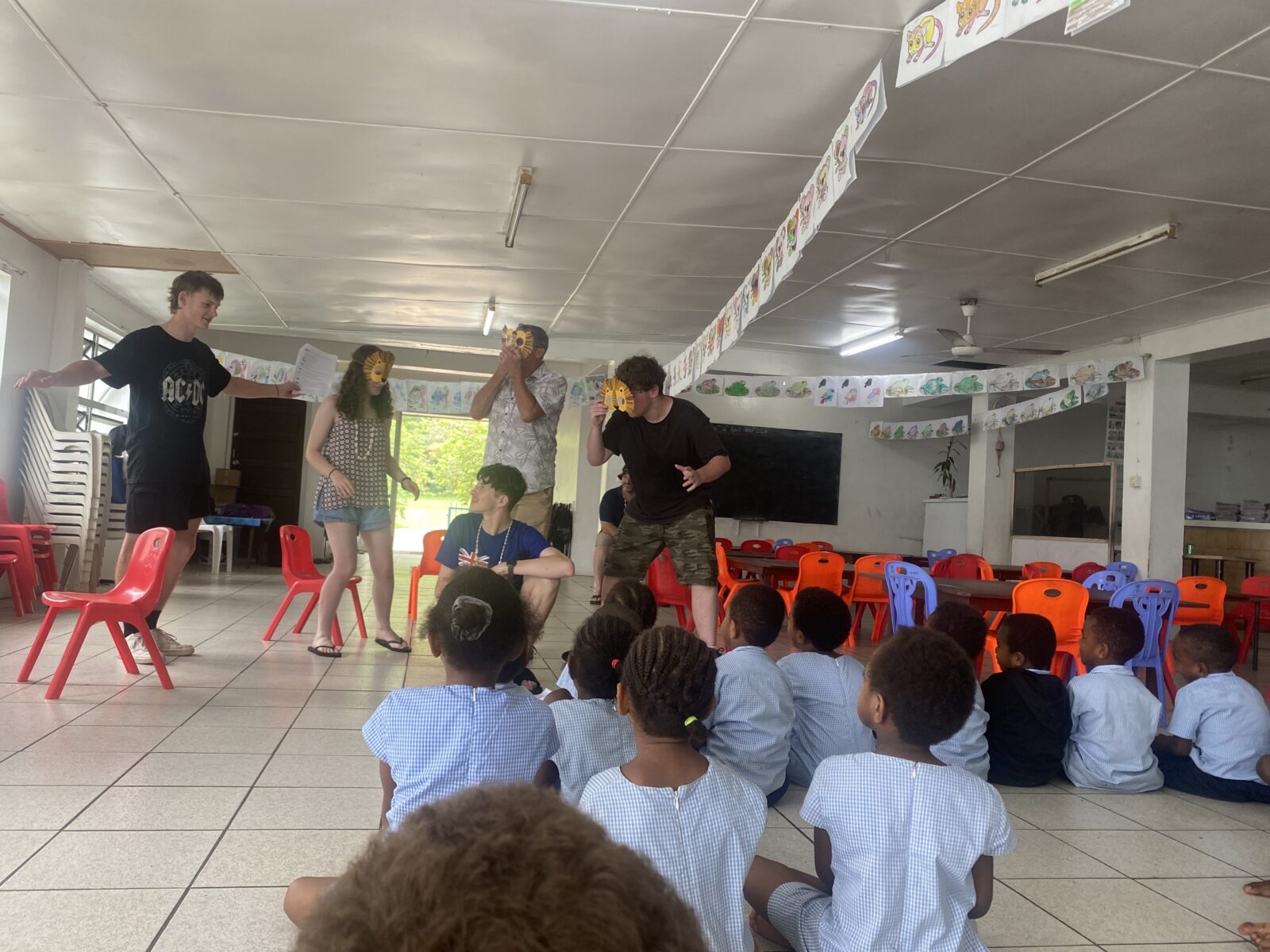
The traditional values and customs of Vanuatu profoundly influence the way education is approached within the country. Elders play a crucial role in imparting knowledge, and many students learn through observation, participation, and storytelling. This is especially evident in communities where traditional practices, such as agriculture, fishing, and crafts, serve as vital components of the local economy and culture.
Recognizing the importance of local knowledge, Vanuatu’s education system strives to incorporate cultural heritage into learning experiences. This not only enhances students’ understanding of their identity but also helps preserve valuable traditions for future generations. The integration of cultural education fosters a sense of pride and belonging among students, encouraging them to engage more deeply with their learning.
Innovative Learning Approaches in Vanuatu
In recent years, educational innovators have sought to enhance the learning experience by introducing new methodologies and technologies. Engaging teaching techniques, such as project-based learning and experiential education, are gaining traction as they better align with the learning styles of Vanuatu’s students. For instance, outdoor classrooms and community-based projects provide hands-on learning opportunities that relate directly to students’ lives.
Additionally, the use of technology in education is slowly increasing. Initiatives to provide access to computers and digital learning resources support both teachers and students in Vanuatu. By leveraging technology, educators can create more interactive learning environments and ensure that students are prepared for a rapidly changing global landscape.
Challenges Facing Vanuatu’s Education System
Despite the progress made in recent years, many challenges remain in improving the education system in Vanuatu. Geographic isolation and lack of infrastructure make it difficult for some communities to access educational resources. Remote areas often struggle with inadequate facilities, insufficient teacher training, and limited access to learning materials.
Furthermore, socioeconomic disparities contribute to unequal educational opportunities. Students from disadvantaged backgrounds may lack access to the support systems needed to thrive academically. Addressing these challenges requires a collaborative effort from the government, non-government organizations, and local communities to create a more equitable education system.
The Role of NGOs in Vanuatu Education
Non-governmental organizations (NGOs) play a significant role in the landscape of education in Vanuatu. They often step in to fill gaps in the public education system, providing additional resources, training, and support to schools and communities. NGOs engage in various activities, from building infrastructure to developing educational programs that are culturally relevant and empowering.
Collaborative partnerships between the government, NGOs, and local communities are essential to addressing the challenges of the education system in Vanuatu. By working together, these stakeholders can develop innovative solutions that prioritize students’ needs and align with national development goals.
The Future of Learning in Vanuatu
As Vanuatu continues to navigate the complexities of modern education, there is a growing focus on sustainability and resilience. Educational institutions are progressively recognizing the importance of environmental education, ensuring that future generations are equipped to tackle pressing global challenges, such as climate change.
The future of learning in Vanuatu lies in fostering an adaptable education system that embraces change while remaining rooted in cultural values. By integrating traditional knowledge with modern approaches, Vanuatu can create a dynamic learning environment that not only enriches the lives of its students but also contributes to the overall development of the nation.
In conclusion, Vanuatu’s education landscape is a unique blend of tradition and innovation that reflects the country’s diversity and rich cultural heritage. While challenges remain, continued investment in education, community engagement, and the integration of technology are key to shaping a brighter future for the students of Vanuatu. The wealth of resources available can support ongoing growth and development in this vibrant island nation.